What I’ve been listening to lately

A double helping of old country:

  • The Carter Family – Volume 2: 1935-1941. Commentary on roots music tends to favor the old–the earlier and scratchier the recording the better, the closer it is to the mythological source. The Carter Family’s 1928-29 recordings, featured on the Anthology of American Folk Music, are officially legendary. But these later ones are often more listener-friendly, with better sound quality and more assured performances. An amazing wealth of songs.
  • The Delmore Brothers – Classic Cuts 1933-41. Another treasury of classic country tunes, sometimes a bit bluesy, sometimes almost a proto-bluegrass. The very pure, clear and uninflected vocals actually take some getting used to, so far is their style from the extroverted emotionalism that has been the norm in more recent decades of popular music.

Plus the usual jazz miscellany:

  • Jimmy Giuffre – The Life Of A Trio: Sunday. Jimmy Giuffre has been developing his particular version of jazz minimalism since the late 1950s, and always getting better along the way. These 1989 recordings reconvene his famous 1961 trio with Paul Bley on piano and Steve Swallow on bass; the result is strong and fresh and not at all a nostalgia session.
  • Ran Blake – Short Life Of Barbara Monk. An overlooked classic from the unheralded year of 1986. The lineup is solidly traditional–tenor sax, piano, bass drums–but the approach is fascinatingly untraditional and melodic.
  • Lee Morgan – The Procrastinator. A standout 1967 Blue Note session with an unbeatable lineup–Wayne Shorter and Bobby Hutcherson–and great tunes. This brand of advanced hard bop is for many people the absolute pinnacle of jazz. I’m not one of them–for me, Duke Ellington and Sun Ra will always be the top–but it’s recordings like this that make that taste an understandable one.
What I’ve been listening to lately

  • Charlie Parker – A Studio Chronicle 1940-1948. My first loves in jazz were 1930s swing and 1960s avant-garde, so it took me a while to get around to really listening to 1940s bebop and 1950s mainstream. Guess what, Parker is a genius; I know that’s not an original opinion, but I didn’t really appreciate how true it was before.
  • Bud Powell – The Complete Bud Powell On Verve. More bebop immersion. Five CDs worth of piano trios is not normally the kind of listening experience I would seek out, as there’s a big risk of stuff just sounding the same. But Powell’s vigorous, forceful playing stands out.
  • Bobby Hutcherson – Patterns. In honor of his passing I have been listening to a lot of his stuff again; I love the vibes and Hutcherson is one of the great masters. That said, his recordings under his own name tend to be a little soft-edged for my taste; he is responsible for one undisputed jazz classic, Dialogue, but it really sounds more like an Andrew Hill record. But Patterns is a good and often overlooked session, with lovely flute from James Spaulding.
  • Prince Buster – Fabulous Greatest Hits. The King of Ska is dead, long live the king; too many obituaries of late. This greatest hits record is in fact the only readily available recording by Prince Buster; to hear much, much more, don’t miss Steve Barker‘s great four-part radio tribute.

What I’ve been listening to lately

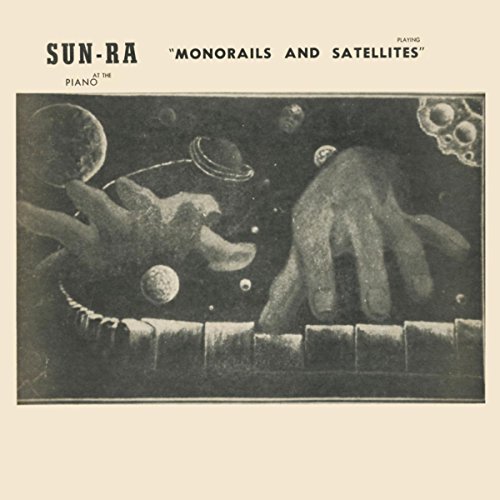
  • Sun Ra – Monorails and Satellites, Vol. 1. After so many years of accumulating Sun Ra records, there aren’t too many that I haven’t heard before, but this one had escaped me until now. Thanks to the efforts of the Sun Ra Arkive, this brief solo piano recording has doubled in size with the addition of several unreleased tracks. I still like Sun Ra better with the band, but there are some good moments with his distinctive, blocky piano style. Serious fans will want it, for more casual listeners it’s optional.
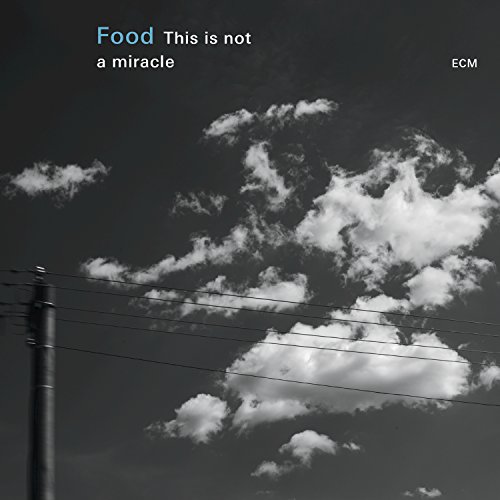
  • Food – This Is Not A Miracle. I really enjoyed this group’s two previous albums, being a sucker for their combination of searching saxophone, guitar skronk and spacey electronics/drums. The latest recording is also very satisfying, atmospheric listening. It seems like there should be more people mining this particular intersection of jazz and electronic music, but maybe I just don’t know about them yet.
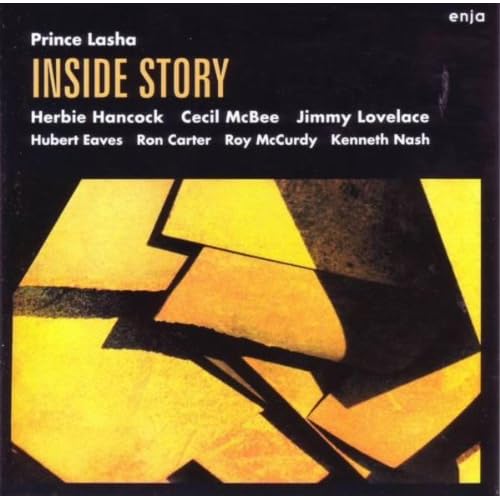
  • Prince Lasha – Inside Story. Prince Lasha is a multi-instrumentalist best known for his album Firebirds, a classic “freebop” recording from 1967 featuring Bobby Hutcherson. This lesser-known 1965 session is also very good, with Herbie Hancock on piano and a good rhythm section.
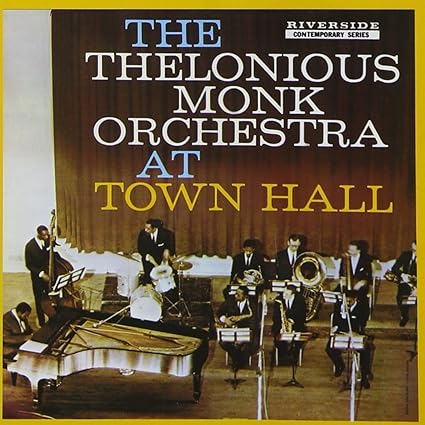
  • Thelonious Monk – Orchestra At Town Hall. The first of only two large-ensemble recordings Monk would make in his lifetime, this 1959 album is a stone-cold classic, every track is gold. It’s interesting to compare these very sympathetic arrangements of Monk’s tunes to some of the very earliest, from Cootie Williams’ big band in the early 1940s. Williams’ championing of Monk helped get him exposure, but the arrangements tend to hide Monk’s weirdness within a conventional framework rather than celebrating it.
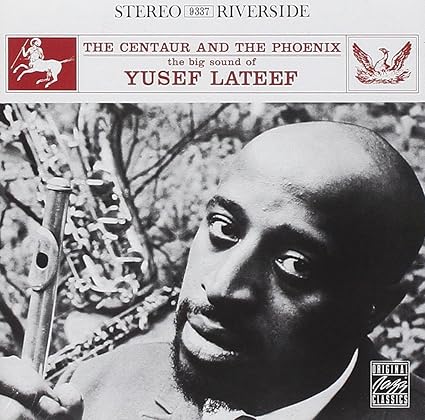
  • Yusef Lateef. Best known for helping introduce “exotic” sounds into jazz with his Asian-influenced tunes and use of the oboe and flute, Lateef is also a gentle and surprisingly traditional tenor sax player. I have been listening to two compilations of his late 50s-early 60s recordings. If you don’t want to go through all of them, Eastern Sounds is probably the single best example of his approach, but I also liked The Centaur And The Phoenix, a more distinctive session with a larger ensemble.

The return of the random Sun Ra title generator

Since it’s the summer, I’ve been indulging myself a bit. On my very first website, back in 1996, I wrote a goofy piece of software to generate song titles in the distinctive, cosmic style of Sun Ra–an attempt to imitate the inimitable, of course, but still entertaining (to me, anyway). I forgot about it for a long time, but it popped back to mind recently on a long bus ride, and I decided to recreate it. Random generator technology has advanced some since then, so it was not too hard to do. And the result is still a source of nearly endless amusement for this Sun Ra fan. Here it is, press the More button as many times as you want:

The Random Sun Ra Title Generator

One of the fun little things about life in Beijing is that you can see Sun Ra almost everyday–it’s part of the logo of a major brand of electric bikes. I still get a kick out of this.

SunRaBikeStore

What I’ve been listening to lately

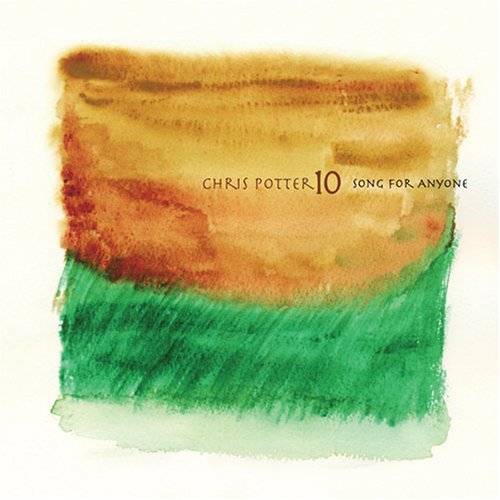
  • Chris Potter – Song For Anyone. I first heard Potter’s searching tenor sax when he was a member of the late, great Paul Motian’s bands, but am only now catching up on his solo work. His Imaginary Cities, a work for a large ensemble including a string quartet, got a lot of notice last year, but it was not the first time he had put together a big group. I also enjoyed this 2007 recording, which is perhaps even more accessible.
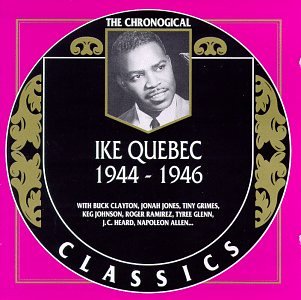
  • Ike Quebec – 1944-1946. Quebec would go on to record many moody, bluesy albums for Blue Note in the 1960s, but his big tone is also a treat in these earlier small-group swing sessions.
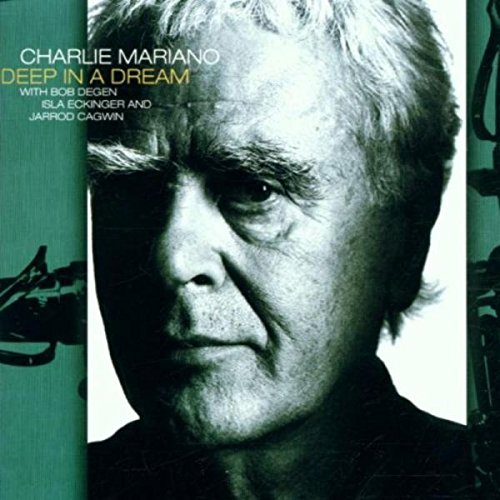
  • Charlie Mariano – Deep In A Dream. Mariano’s keening alto sax was one of the key ingredients in Mingus’ masterpiece, The Black Saint and the Sinner Lady, and I’ve been on the lookout for more of his work ever since that first exposure. His distinctive tone makes this 2001 album of ballads compelling listening.
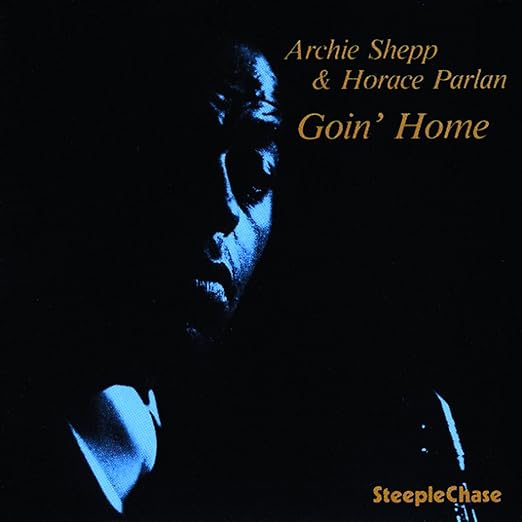
  • Archie Shepp & Horace Parlan – Goin’ Home. For me, this album encapsulates Shepp’s transformation from avant-garde firebrand to mellow elder statesman of jazz. These 1977 duets on gospel melodies are long, ravishing, emotional.
  • Jones-Smith Incorporated. In 1936, just before Count Basie started his classic big-band recordings for Decca, he made four small group tracks featuring Lester Young’s first recorded solos. “Shoe Shine Boy” “Evenin'” “Boogie Woogie” and “Oh, Lady Be Good” are available on several swing-era compilations, but somehow I had managed not to hear them until this year. The producer John Hammond famously called these sessions “completely perfect,” and he was right: their understated craft is a true delight. They just make you wish Basie had recorded more in small groups, which he did not until much later in his career.

What I’ve been listening to lately

A bit more on the mainstream tip of late:

  • Dexter Gordon – A Swingin’ Affair. An entry in his classic run of mid-60s Blue Note albums, but one which had previously escaped my notice. As usual with Dex, the ballads are a highlight. But like his other recordings from this period (such as Our Man In Paris), it is just a sterling example of this style of jazz, difficult to better.
  • David Murray & Mal Waldron – Silence. Waldron is one of the great masters of the jazz duo (his series of recordings with Steve Lacy are high on my all-time favorite list), and this rather unusual pairing does not disappoint. Waldron the original minimalist keeps Murray the great maximalist on his toes and in top form.
  • Sonny Stitt – Tune-Up! My brother gave this to me years ago, saying a friend of his recommended it as a quintessential jazz recording. I didn’t really get it at first, not being that into straight-ahead jazz at the time, but it has only grown on me over time. Stitt is powerful, inventive and exciting throughout, demonstrating just how much life remained in the bebop idiom in 1972.
  • Magic Sam – West Side Soul. Like many influential recordings, much better than most of what it influenced. Electric Chicago blues is one of the more over-played styles of music, but there’s a reason for that. It’s a treat to hear his original version of “Sweet Home Chicago,” even if some of the impact is inevitably lessened by having heard so many bar bands play it before.
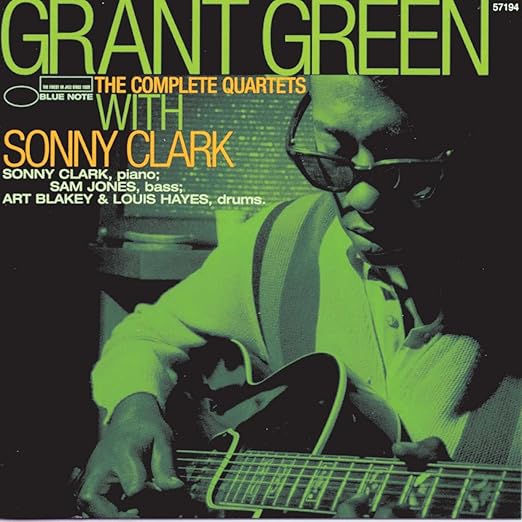
  • Grant Green – The Complete Quartets with Sonny Clark. Lots of good stuff here, but the version of “It Ain’t Necessarily So” stands out and is one of my favorite jazz guitar tracks; the backbeat from Art Blakey drives Green to an almost unbearable intensity.

What I’ve been listening to lately, International Jazz Day edition

I’m pleased that there is such a thing as International Jazz Day, though I’m not sure exactly how to observe it, other than by putting on some jazz, which I would probably do anyway. On to the tunes:

  • Duke Ellington – The Complete 1936-1940 Variety, Vocalion And Okeh Small Group Sessions. A massive Mosaic box set that I eyed for years before I finally picked it up, just before it went out of print. This is flat-out some of the most wonderful jazz ever recorded, at least for my taste. These small-group sessions have the unmistakable Ellington flair for arrangement and color, but often feel looser and more laid-back than the full orchestra. The first-ever recording of “Caravan” is here, but a few “hits” do not really cover the impact of the whole thing. Truly a near-endless supply of casually tossed-off genius, charming and delightful.
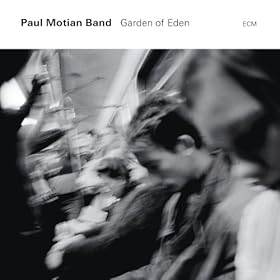
  • Paul Motian – Garden of Eden. The obituaries for Motian, who passed in 2011, invariably start with his role as the drummer in Bill Evans’ classic piano trio. But I think he was one of the great bandleaders of recent decades, and this 2004 recording is one of his peaks: a gorgeous wash of sound, featuring no fewer than three guitarists, along with two saxophonists. The two Mingus covers (strangely rare for some reason) are particularly great.
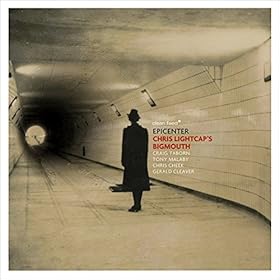
  • Chris Lightcap’s Bigmouth – Epicenter. This group’s 2010 recording Deluxe was one of my favorite jazz albums of recent years, thanks to its combination of smart compositions and groove. The 2015 follow-up is just as good and even more varied. Craig Taborn mostly plays electric piano, giving the group a nicely spacy backdrop to the interplay between tenor saxophonists Tony Malaby and Chris Cheek (in what is probably not a coincidence, the same saxophonists as on Garden of Eden). But the writing by bassist-leader Lightcap is what really sets it apart, with some West African riffs and even an arrangement of a Velvet Underground tune.
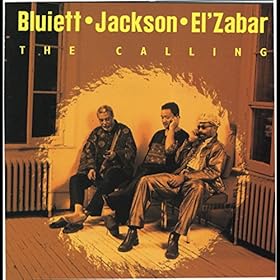
  • Hamiett Bluiett – The Calling. Perhaps one of the most diverse jazz recordings I’ve ever heard, despite a seemingly minimal lineup of Bluiett on winds, D.D. Jackson on keyboards, and Kahil El’Zabar on percussion. The three old masters change instruments and styles on virtually every track to create a mosaic portrait of modern jazz in all its variety, with plenty of rhythm and humor.
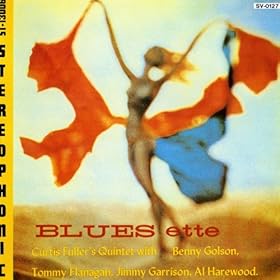
  • Curtis Fuller – Blues-ette. A near-perfect masterpiece of hard bop from 1959, featuring the great tenor saxophonist Benny Golson along with trombonist Fuller. Nearly as good is Imagination, recorded the same year and adding Thad Jones’ trumpet to the front line.

What I’ve been listening to lately

  • Tomeka Reid — Tomeka Reid Quartet. A fresh, lively and generally fantastic recording that should have made it onto more best-of lists for 2015. The lineup of cello, guitar, bass, drums makes for a unique sound, particularly given that the guitarist is Mary Halvorson, hands-down the most interesting new guitarist of the early 21st century. But it’s not just an avant-garde workout: the compositions are strong and tuneful and the group is swinging. Highly recommended.
  • Joe Lovano & Hank Jones — Kids. A 2006 duet session from two grand masters, whose subtle interplay is of the highest order. The title track, “Kids Are Pretty People,” is a particularly gorgeous highlight.
  • Jason Moran — Soundtrack to Human Motion. The sound here is reminiscent of nothing so much as one of Andrew Hill’s classic 1960s sessions: the oblique compositions, the combination of piano and vibes. But that’s a great sound, and this 1999 session–Moran’s debut–is an impressive and enjoyable take on one of the more complex parts of the jazz tradition.
  • Sidney Bechet — The Best of Sidney Bechet. The title is a bit misleading, as this is not a career-spanning overview but a selection of recordings on Blue Note. But the quality is indeed very high–Bechet has one of the great sounds in jazz, his huge tone is always modern, always unmistakable. I came back to these tracks after reading a nice interview with the Ben Goldberg where he singles out the track “Blue Horizon” as an early favorite: “I couldn’t believe the sound. It was as if he’d built the clarinet himself out of a big chunk of ebony that he’d split with an axe.”
  • Kora Jazz Trio — Part Two. An old favorite that has popped up again on shuffle recently. The singing and kora playing of Djeli Moussa Diawara are the nominal highlight, but for me the group’s unique sound is really founded on the powerfully rhythmic piano playing of Abdoulaye Diabaté.

What I’ve been listening to lately

  • Bud Powell – The Scene Changes. While I don’t always enjoy piano trios, this 1958 session is a great showcase for Powell’s percussive, vigorous playing, and has several of his catchy compositions as well. Along with Time Waits, this is becoming one of my favorites of his many recordings.
  • Ornette Coleman – Complete Science Fiction Sessions. This took a while to grow on me, and would be hard to recommend to anyone not already a fan–some of the goofy 70s experiments, like the title track, no longer hold up well. But there is some classic small-group work with Don Cherry and other collaborators here. And the vocal tracks are a surprise and a treat: the singing is largely straight, but is set in very effective contrast to freer playing in the background.
  • The Velvet Underground – The Complete Matrix Tapes. Some of this material was previously released on the Live 1969 albums, which I listened to obsessively in college, so it won’t be wholly new to fans. But oh, there is a lot of great stuff here. The sound of this edition of the VU makes them one of the great rock bands–Maureen Tucker’s perfect, minimalist drumming, and the clean, crisp interlocking rhythm guitars.
  • John Coltrane – Transition. An often overlooked album, indeed I had overlooked it until now. But then current jazz phenom Kamasi Washington said it is his favorite Coltrane album, so it seemed worth checking out. This period of Coltrane is in fact usually very worthwhile: he’s testing the bounds of the classic Jones-Tyner quartet, but hasn’t quite gone off into his less-listenable free period. The long suite is quite good and surprisingly accessible.
  • Oran Etkin – Kelenia. The one-line summary of this album–jazz bass clarinet meets Malian music–was enough to send it to the top of the Batson playlist. There are indeed some nice tracks here, and the general vibe is good. Yet I wish I liked this album more: it’s a little too soft around the edges for my tastes. But I will also investigate other things this guy has done.


What I’ve been listening to lately

A mix of new acquisitions and old favorites popping up on the playlist of late:

  • Dave Holland — Conference of the Birds. The jazz avant-garde of the1970s produced a lot of inconsistent albums, but this is one is strong all the way through. I have long enjoyed the title track with its lovely marimba part by Barry Altschul, but the rest of it has steadily grown on me, with great interplay between Sam Rivers and Anthony Braxton on horns.
  • Icebreaker — Philip Glass: Music With Changing Parts. I am a sucker for classic minimalism, like Terry Riley’s “In C” and almost anything by Steve Reich, and it turns out that the Philip Glass that I like is his earlier stuff that is more in that mode. This contemporary recording resurrects a classic early Glass piece that is otherwise hard to hear.
  • John Handy & Ali Akbar Khan — Karuna Supreme / Rainbow. A very underrated alto saxophonist, Handy made excellent use of violin and guitar in his rhythmically driving 1960s groups. This collaboration with Indian musicians is a change of pace but also very rewarding.
  • Lester Young — The “Kansas City” Sessions. An unsung masterpiece, extraordinarily gentle and softly swinging small group jazz from the 1930s. Every track is wonderful, but those where Young plays his quiet, unvirtuosic clarinet are of particular note.
  • John Zorn — Filmworks XIII: Invitation to a Suicide. An glorious showcase for the accordion as jazz instrument. The sound of the ensemble, filled out with vibes and guitar, is totally ravishing, and the tunes are in fact quite catchy.